Dr. Markus Brinkmann is the Centennial Enhancement Chair in Mechanistic Environmental Toxicology and Associate Professor in the School of Environment and Sustainability at the University of Saskatchewan (USask). He is the Director of USask’s Toxicology Centre and a member of the Global Institute for Water Security (GIWS). Dr. Brinkmann studies the uptake and effects of chemical contaminants in aquatic organisms, including the influence of environmental and physiological factors, and translates lab studies into real-life situations. Dr. Brinkmann uses an interdisciplinary approach, rooted in toxicology, environmental chemistry, and hydrology, to explore these environmental problems. He earned a PhD at Aachen University in Germany before moving to Canada in 2016.

Postdoctoral Fellows and Research Associates
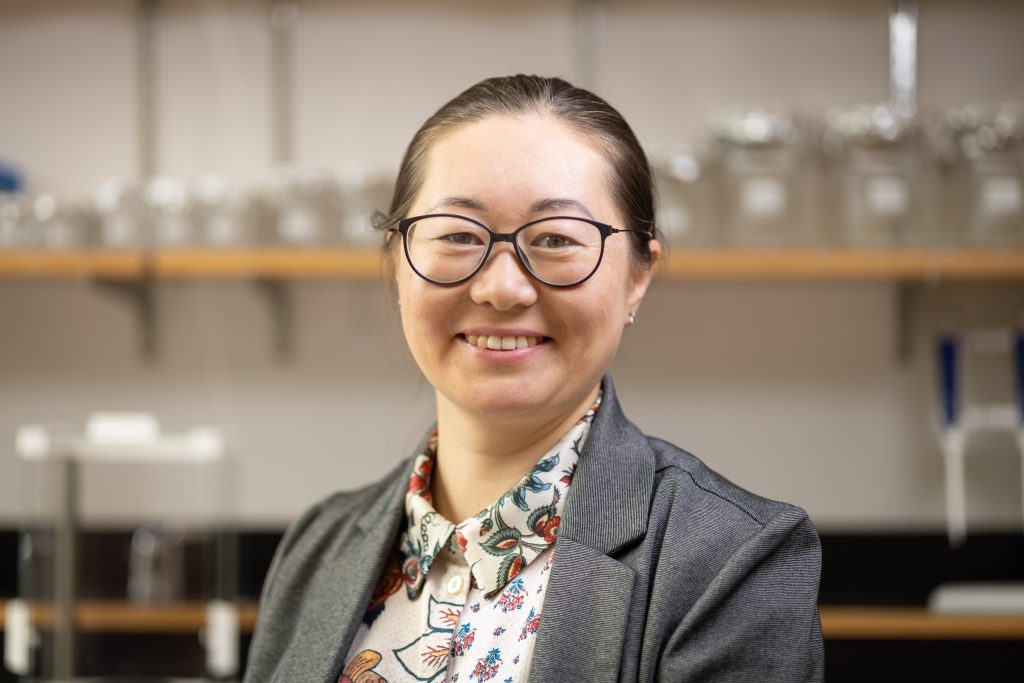
AINUR KAKPENOVA – Research Associate
Ainur is tackling the global challenge of microplastics by developing a method that embeds unique DNA barcodes into plastics, allowing precise tracking of their journey through the environment and living organisms. This innovative approach supports both environmental studies of microplastic transport and toxicological research into their biological interactions.
In landscape-level experiments, Ainur will release DNA-barcoded microplastics into urban water systems to trace their pathways, while parallel studies will examine their effects within biological systems. This work offers a powerful new tool for advancing microplastic science and shaping informed policies on pollution and health risks.
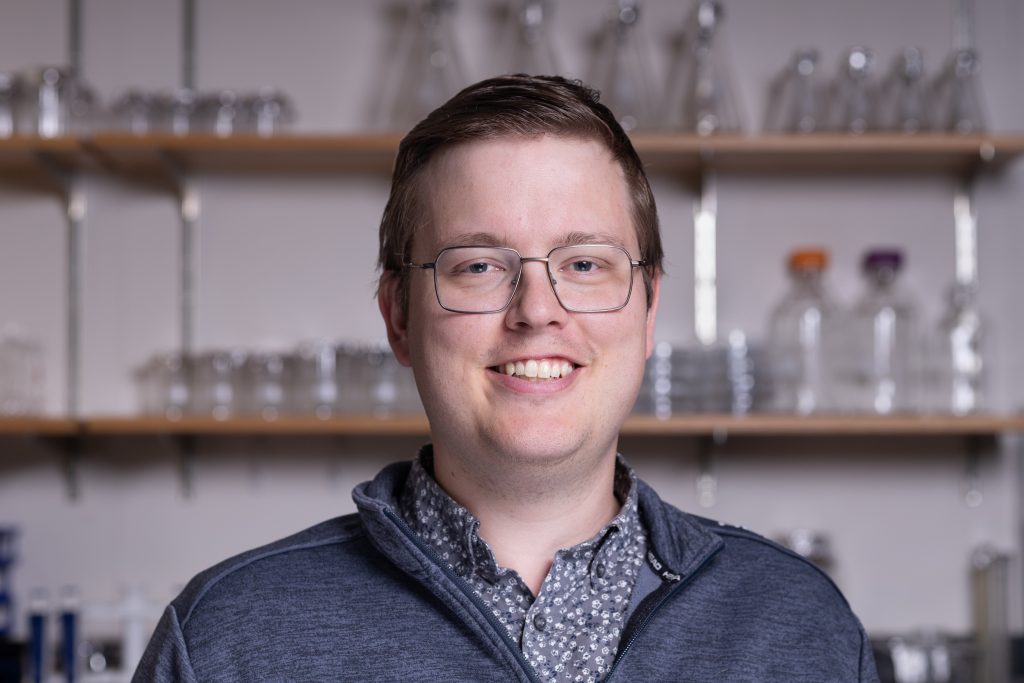
IAN VANDER MEULEN – Postdoctoral Fellow
Ian seeks to understand the fate of organic contaminants in ecosystems through analytical chemistry. Ian has a track record of excellence in non-targeted analysis of complex mixtures, especially in the context of interdisciplinary collaborative initiatives in the Athabasca Oilsands to evaluate contaminant attenuation and associated toxicological risks. A committed collaborator, Ian works with teams across governments, industry, and academia. Ian is branching into initiatives examining toxicologically-relevant urban runoff contaminants while also continuing to provide leadership in Oilsands analytical chemistry, working on forensics, dynamic behaviours, and treatment processes for petroleum-derived contaminants
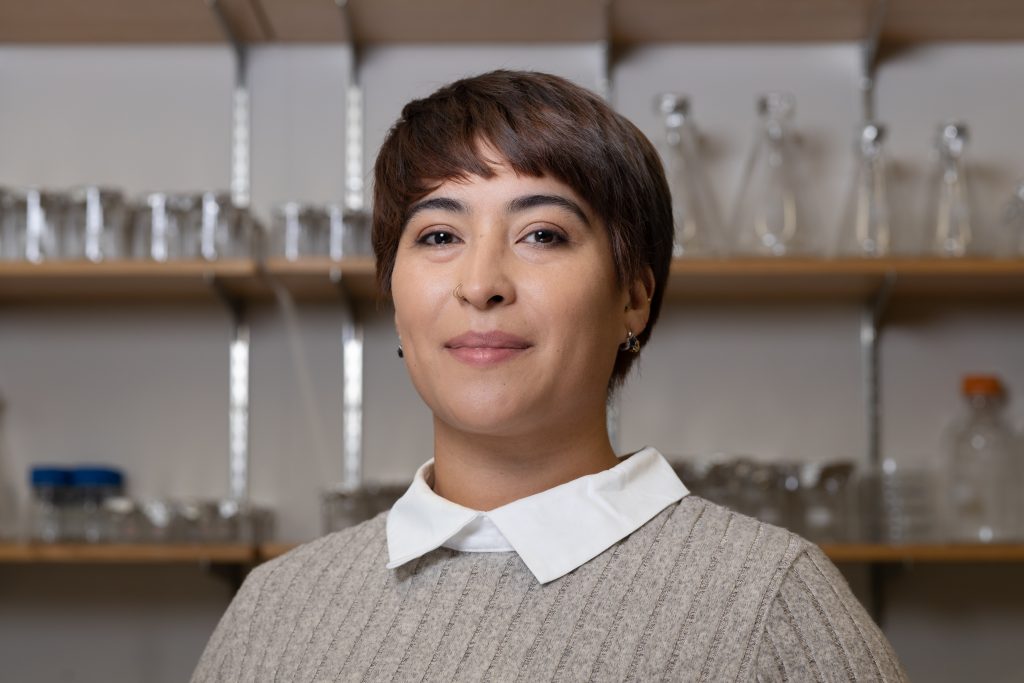
ELVIRA VERGARA PINEDA – Postdoctoral Fellow
Elvira is an environmental ecotoxicologist whose research spans polar ecosystems to urban landscapes. She investigates how invisible pollutants move through diverse environments and affect ecological health. In Antarctica, she examined the bioaccumulation of persistent organic pollutants in seals and sea lions. In Chile, she contributed to groundbreaking research on mercury biomagnification in river systems, integrating stable isotopes, water quality, land use, and trout transcriptomics. Currently, Elvira studies urban grime in Saskatoon, exploring its chemical properties and impact on microbial communities and atmospheric interactions.
PhD Students
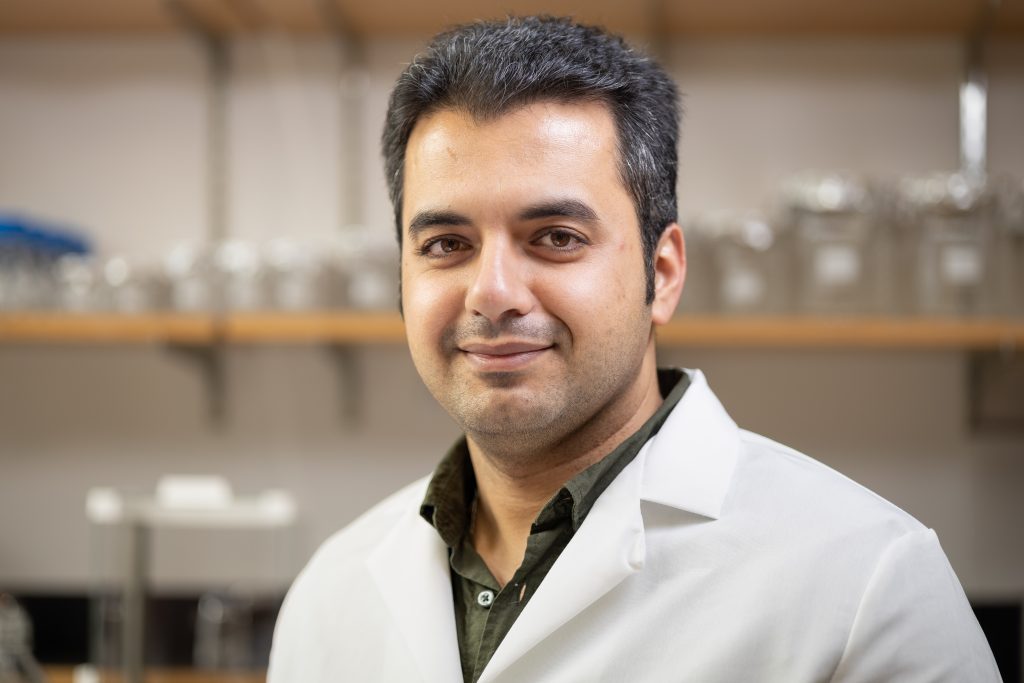
FARZAN HAYATI – PhD Student (Engineering)
Farzan is a PhD student in Civil Engineering specializing in sustainable stormwater treatment for cold regions. His research explores advanced materials, including biochar-supported nanomaterials, as visible-light-activated photocatalysts to enhance water quality and minimize toxic chemical exposure. Farzan’s goal is to develop practical, low-maintenance solutions that safeguard ecosystems and promote sustainable water management practices. Farzan is co-supervised with Dr. Kerry McPhedran (Engineering).

BLAKE HUNNIE – PhD Student (Toxicology)
Blake’s research tackles the global freshwater crisis by identifying contaminants in urban and industrial wastewater and exploring wetlands as natural filtration systems. His work supports sustainable, nature-based solutions for cleaner water. He joined our lab at the Toxicology Centre after earning a Master’s in Environment and Geography (2023) and a first-class honours Bachelor of Environmental Science (2021) from the University of Manitoba, where he also completed a general science degree in 2018.

CATHERINE ROBERTS – PhD Student (Toxicology)
Catherine (Katie) Roberts has been a graduate student of the Toxicology Centre at the University of Saskatchewan since 2022. She completed her M.Sc. in 2025 and is currently pursuing her Ph.D. Her research focuses on the effects of the emerging tire-wear contaminant 6PPD-quinone. Katie investigates 6PPD-quinone toxicity in early-life-stage salmonids, in both subchronic and acute exposures. By examining changes in the transcriptome and xenometabolome of exposed organisms, her work aims to advance understanding of the mechanisms of toxicity and species-specific sensitivity associated with 6PPD-quinone. Katie is co-supervised with Dr. Markus Hecker (Toxicology).
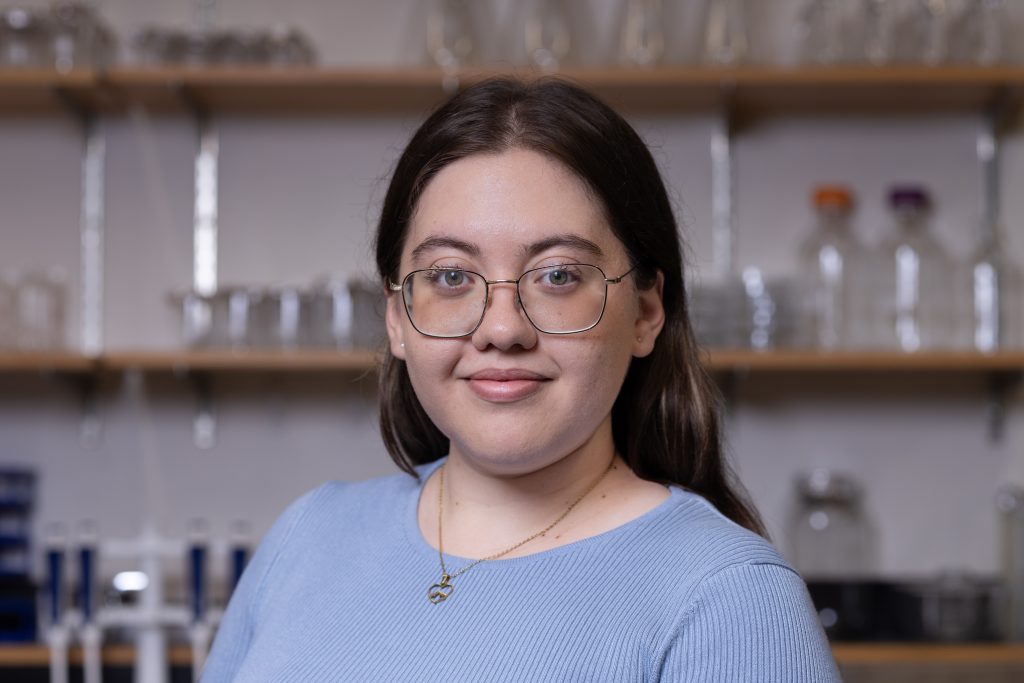
LORENA RODRIGUEZ BAES – PhD Student (Engineering)
Lorena is a PhD student in Chemical and Biological Engineering whose research focuses on developing advanced water treatment technologies for the removal of emerging contaminants. She investigates Advanced Oxidation Processes (AOPs), including ozonation and UV-based systems, to better understand the mechanisms involved in contaminant degradation and enhance water treatment performance. Through laboratory experimentation and analytical techniques, her work aims to advance sustainable technologies that protect water quality and freshwater ecosystems. Lorena is co-supervised by Dr. Jafar Soltan (Engineering).
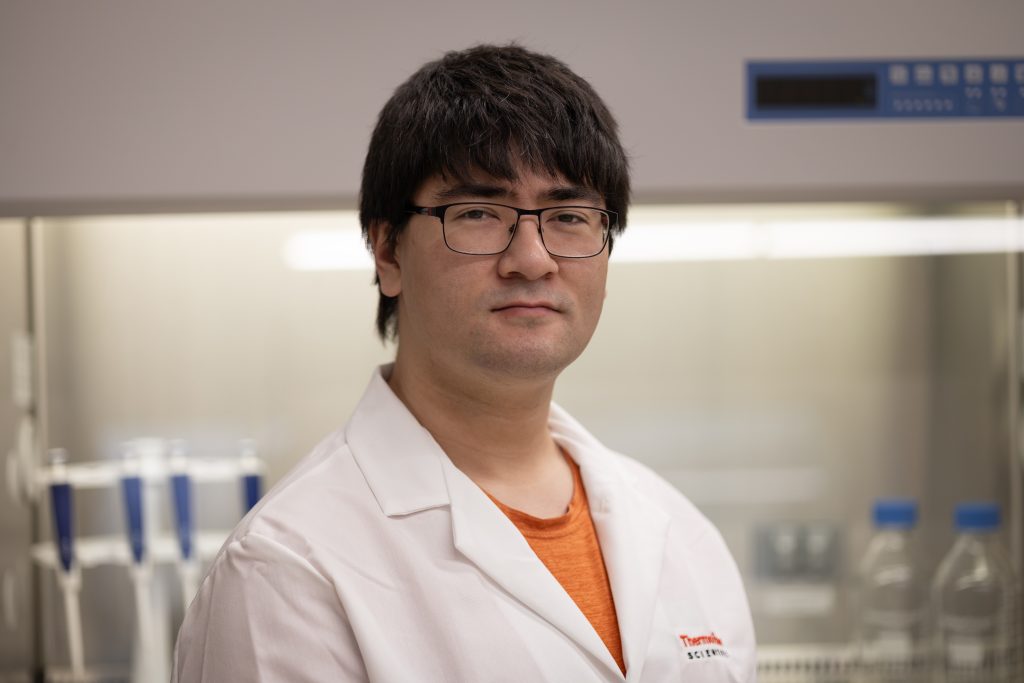
MATTHEW SCHULTZ – PhD Student (Toxicology)
Matt has been a graduate student at the Toxicology Centre at the University of Saskatchewan since 2020. He completed his M.Sc. in Toxicology in 2023 and is currently pursuing his Ph.D. His research focuses on optimizing and applying in vitro biotransformation methods to evaluate organic chemical metabolism in avian species. Matt has worked extensively with isolated perfused fish liver systems, hepatocyte and S9 assays, and chemical analytical methods to improve in vitro–in vivo extrapolation approaches for chemical risk assessment. His current Ph.D. research aims to advance standardized methods for studying biotransformation across diverse avian taxa. Matt is co-supervised with Dr. Christy Morrisey (Biology).
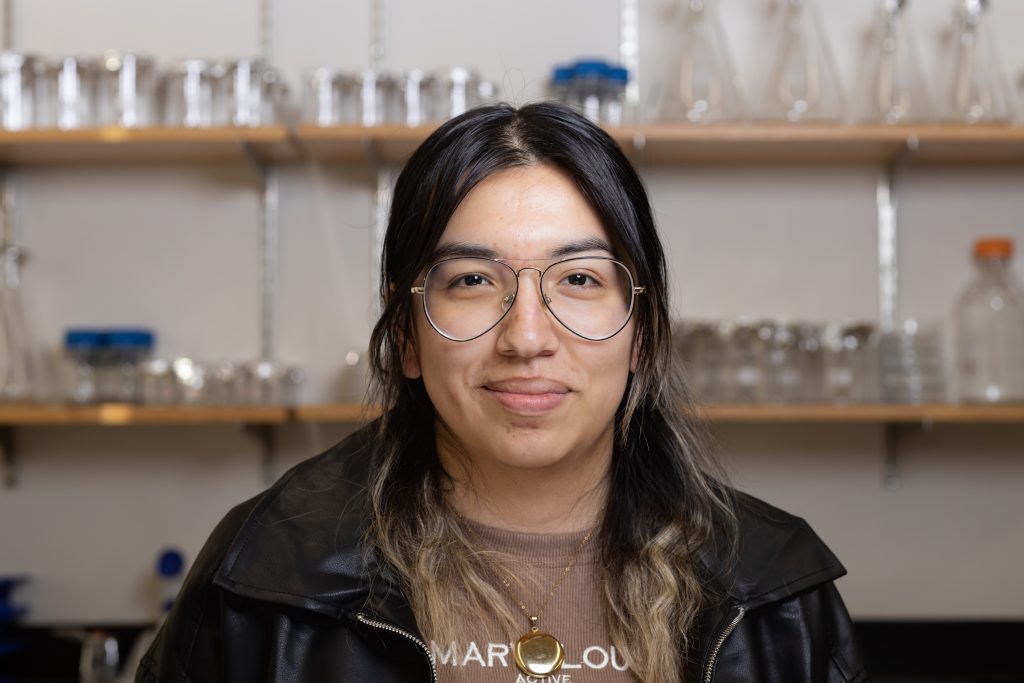
LIZETTE VILLA ALCARAZ – PhD Student (Engineering)
Lizette is exploring water treatment with a focus on Advanced Oxidation Processes (AOPs) and their effects on water quality. She is gaining hands-on experience with analytical techniques such as LC-MS/MS and UV spectroscopy, while also evaluating key water quality indicators like BOD, COD, and TOC to assess treatment performance and efficiency. Lizette is co-supervised with Dr. Jafar Soltan (Engineering).
MSc Students
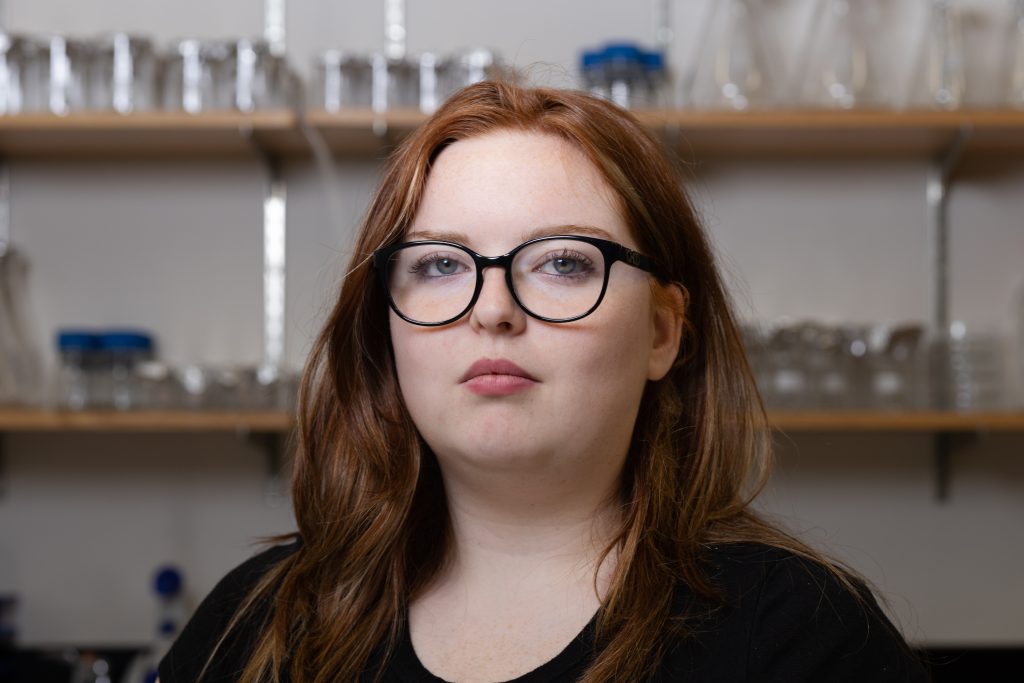
MALLORY CHRISTENSON – MSc Student (Toxicology)
Graduating with an honours undergraduate degree in Forensic Science, Mallory is now pursuing her Master’s in Toxicology with Dr. Brinkmann. Her research involves looking at the fate and biological uptake of quaternary ammonium compounds (QACs), specifically looking at the environmental fate and exposure of different media to the chemicals. These include lake water, lake sediments, and biota. She’s currently looking to see if the QACs behave similarly in an open environment as they do in a closed, curtained-off, and much smaller area.
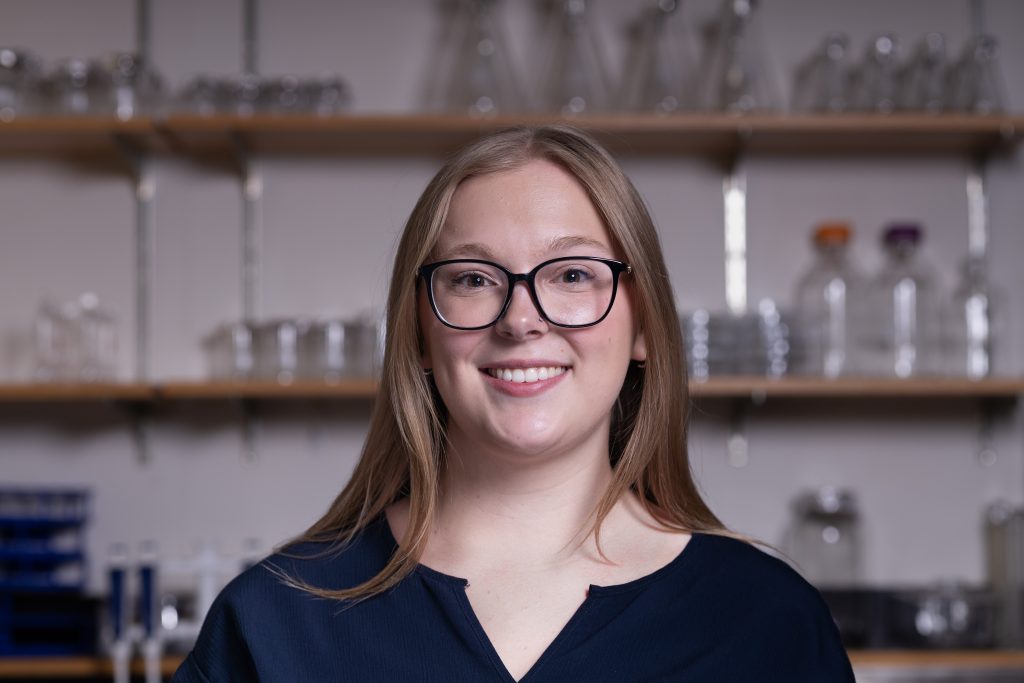
ALLY DOVICHAK – MSc Student (Agriculture/Biology)
Aleksandra (Ally) completed her Bachelor of Biomedical Science in Biochemistry, Microbiology, and Immunology with a minor in Toxicology from the University of Saskatchewan in 2026. She is now beginning a Master of Science under the co-supervision of Dr. Natacha Hogan (APS/Tox) and Dr. Markus Brinkmann (Tox/SENS). Her research will use ’omics approaches, particularly metabolomics and transcriptomics, to better understand the biological impacts of ergot toxicity in beef cattle. Her work aims to characterize metabolic disruption associated with ergot alkaloids and ultimately identify biomarkers for detecting ergot exposure in cattle.

GREG FRIE – MSc Student (Environment and Sustainability)
Greg Frie is a master’s student in the School of Environment and Sustainability M.E.S. program. His master’s research is focused on river mussels – a globally threatened group of animals impacted by pollution, habitat loss, and other pressures. Greg is evaluating the mussel community in the Lower Qu’Appelle River by identifying the juvenile mussels that attach to fish in their early life stage. In the lab, he uses molecular tools to identify mussels based on their unique DNA sequences. This project will improve understanding of river mussel distribution in Saskatchewan, reveal which fish species are hosting each mussel, and support conservation of mussel communities, with a special focus on searching for the threatened Mapleleaf mussel in Saskatchewan waters. Greg is co-supervised with Dr. Tim Jardine (Toxicology).
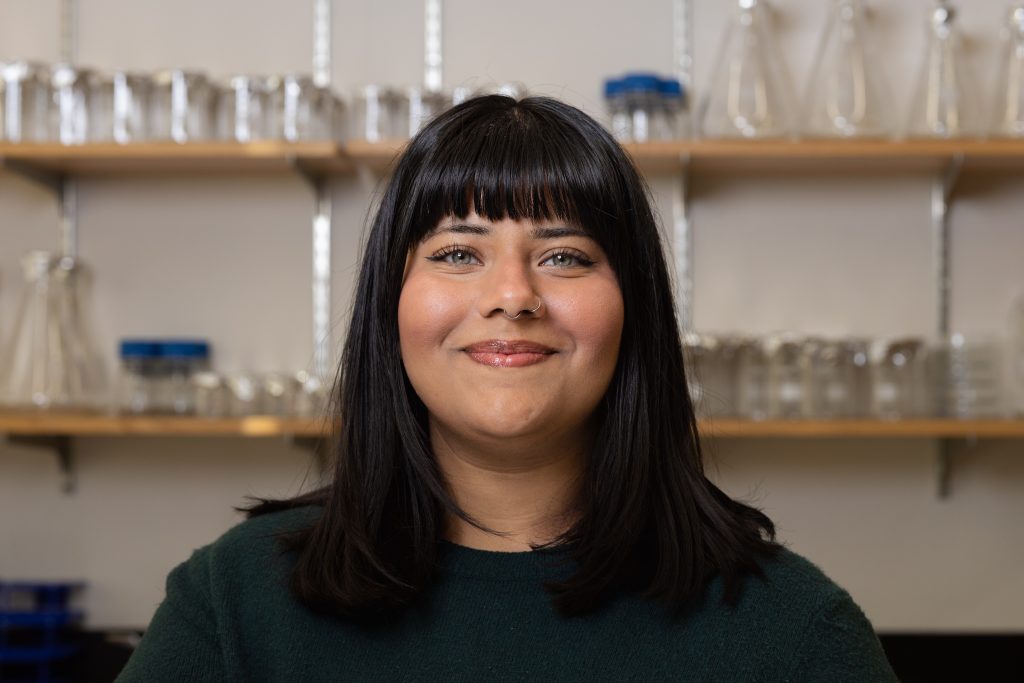
IVANA GULATI – MSc Student (Toxicology)
Ivana is conducting research on the toxicological effects of urban grime—a complex blend of chemical and biological substances that accumulates on city surfaces exposed to airborne pollutants. While previous studies suggest that urban grime can damage surfaces, its formation, composition, atmospheric interactions, and potential toxicity remain poorly understood.
Ivana’s work involves cytotoxicity, sub-cytotoxicity, and genotoxicity assays on human cell lines to assess their health impacts. She is also investigating the mechanisms behind its toxicity, with a focus on reactive oxygen species (ROS) formation. Collectively, this research aims to advance knowledge of urban grime’s environmental and human health implications. Ivana is co-supervised with Dr. Tara Kahan (Chemistry).
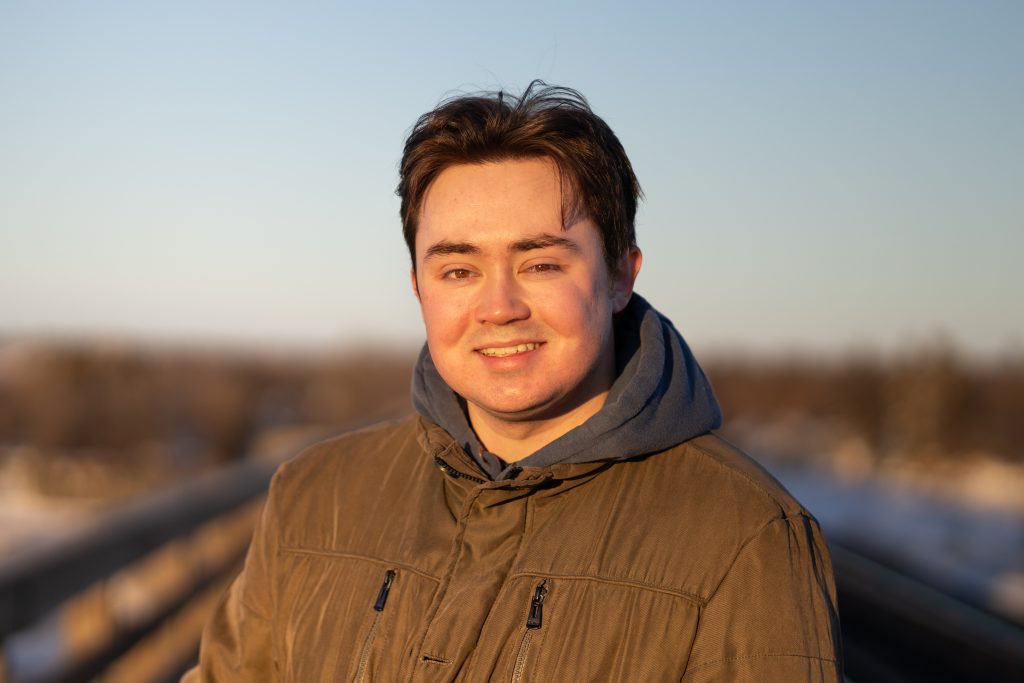
JACK HAMM – MSc Student (Toxicology)
Jack is leading a research project on the long-term impact of an oil spill on riverine fish in the North Saskatchewan River during winter—a period with limited existing data on fish physiology. His work also explores the role of water boatmen (Corixidae), aquatic insects that migrate from unexposed water bodies and may serve as a crucial food source, potentially reducing contaminant loads and supporting fish adaptation. Linked to previous studies, Jack’s project will deepen understanding of the spill’s environmental effects and inform future conservation strategies. Jack is co-supervised with Dr. Tim Jardine (Toxicology).
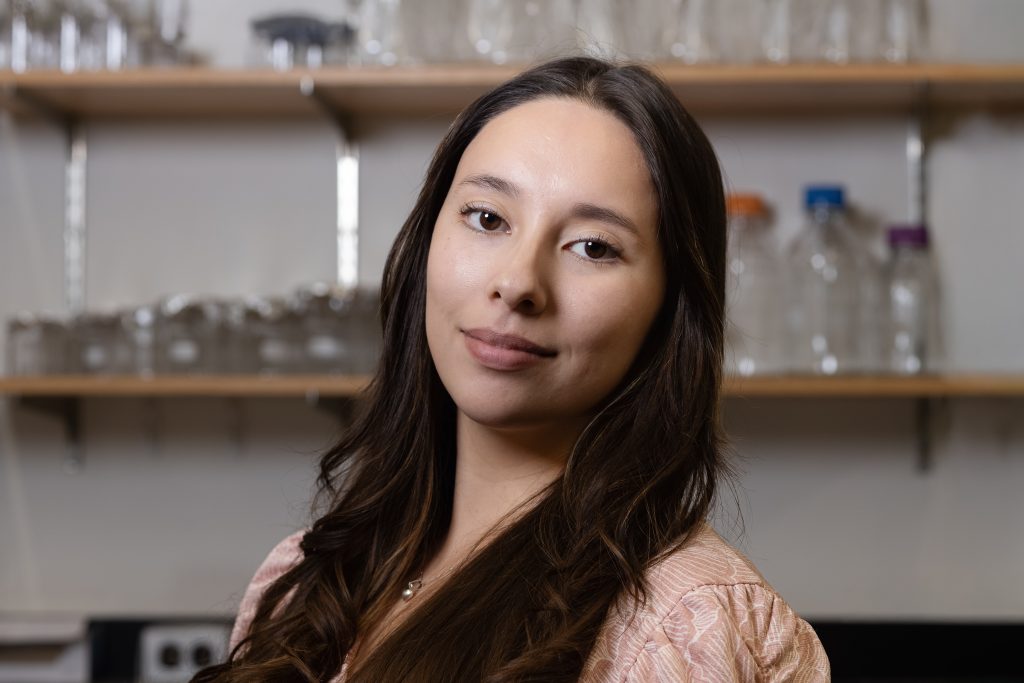
CYNTHIA MENDEZ-ZAMBRANO – MSc Student (Toxicology)
Cynthia’s research investigates the biodiversity and ecological value of stormwater retention ponds in Saskatoon. Through eDNA analysis, she compares species diversity across roughly 30 urban ponds and nearby natural ponds. Her work also measures primary production—such as oxygen and chlorophyll-a—and secondary production via insect emergence biomass to evaluate ecosystem services. Ultimately, Cynthia aims to understand how biodiversity and productivity relate to contaminant levels in water and sediments. Cynthia is co-supervised with Dr. Tim Jardine (Toxicology).
Research Technicians
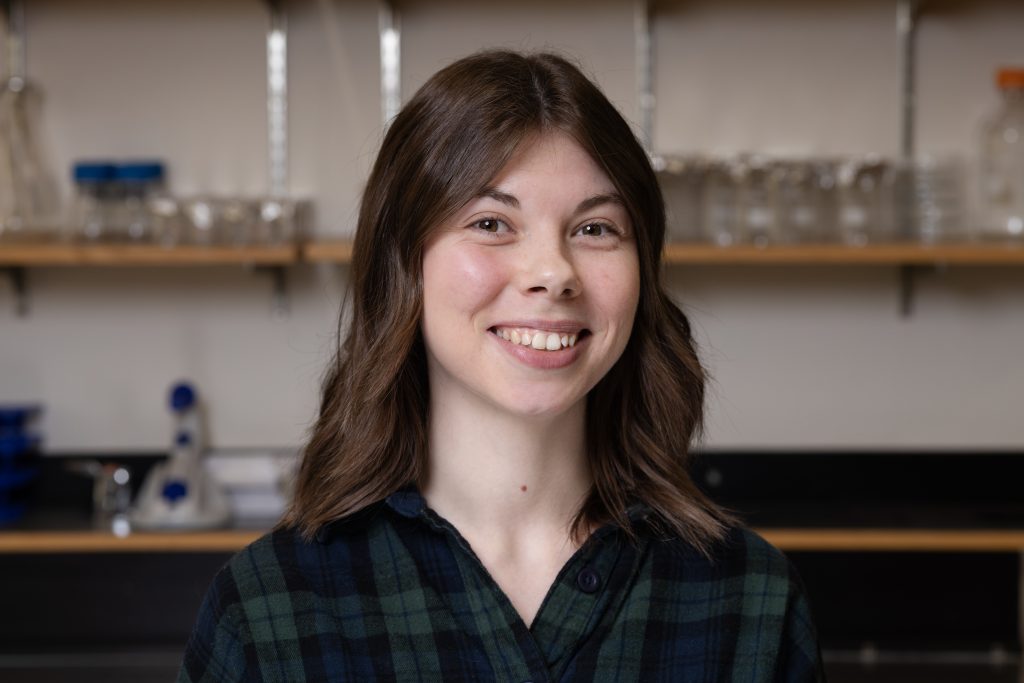
JULIE BORSA – Research Technician
Julie is a research technician supporting projects across the Brinkmann, Hogan, and Hecker labs. Her work centers on molecular biology applications, including RNA extraction from chemically exposed tissues, cDNA synthesis, and quantitative PCR to analyze gene expression changes in targeted pathways.
She also provides technical support to students and research staff, assisting with RNA and DNA workflows, cell-based assays, and early life-stage fish exposure studies. Julie’s contributions help ensure the generation of high-quality data, and she takes pride in fostering a collaborative and supportive research environment.
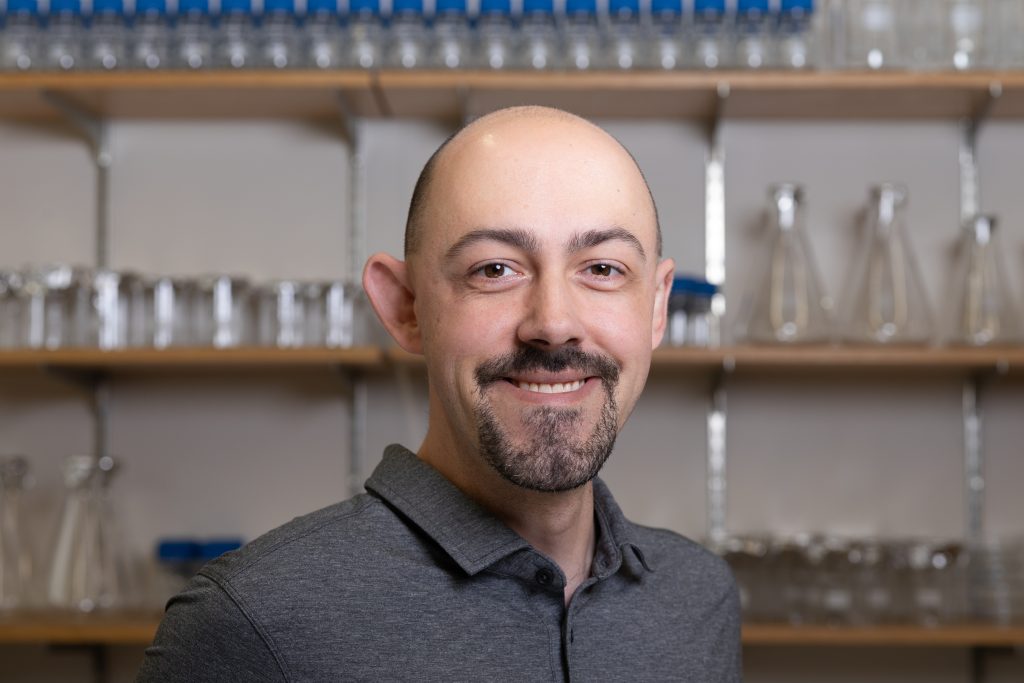
JEREMY MARSHALL – Research Technician
Jeremy Marshall completed his MSc in Biochemistry from the University of Saskatchewan. Currently a technician with the Brinkmann lab, Jeremy’s primary work focuses on operation, maintenance, and user training on several of the mass spectrometers used by the research group. Projects that he has worked on include micronutrient and anti-nutritional compound quantification in a variety of pulse crops, herbicide metabolite quantification in plant material, and quantification of antimicrobial compounds present in water from whole-lake exposure studies. By observing these differences found at very small levels, he hopes to aid in accomplishing science that can lead to big changes.
Former Students
Graduate Students, Supervised by Markus Brinkmann:
Zi Yang, 2023-2026, Master of Science (Toxicology), Thesis: Water Quality Monitoring, University of Saskatchewan
Abdulbasit Aliyu, 2025, Master of Water Security (School of Environment and Sustainability), Thesis: PFASs in sewage sludge, University of Saskatchewan
Mary Olaniyi, 2025, Master of Science (School of Environment and Sustainability), Thesis: Fecal Bioindicators, University of Saskatchewan
Joseph Unabor, 2025, Master of Science (School of Environment and Sustainability), Thesis: Plastic Waste Management, University of Saskatchewan
Ana Cardenas Perez, 2020-2023, Master of Environment and Sustainability (School of Environment and Sustainability), Thesis: Water Quality Monitoring, University of Saskatchewan
Xiaowen Ji, 2020-2023, Doctor of Philosophy (School of Environment and Sustainability), Thesis: Chemical Water Quality Monitoring and Assessment, University of Saskatchewan
Saurabh Prajapati, 2019-2023, Master of Environment and Sustainability (School of Environment and Sustainability), Thesis: Chemical Water Quality Monitoring, University of Saskatchewan
Matthew Schultz, 2020-2023, Master of Science (Toxicology), Thesis: Biotransformation Assessment, University of Saskatchewan
Cassandra Butera, 2022, Master of Water Security (School of Environment and Sustainability), Thesis: Water Quality Monitoring, University of Saskatchewan
Zi Yang, 2022, Master of Water Security (School of Environment and Sustainability), Thesis: Bioanalytical Water Quality Monitoring, University of Saskatchewan
Matthew Epstein, 2021 (withdrew), Master of Water Security (School of Environment and Sustainability), Thesis: Source Water Protection, University of Saskatchewan
Alisha Rodrigues, 2021, Master of Water Security (School of Environment and Sustainability), Thesis: Water Quality, University of Saskatchewan
Uduak Isokise, 2019-2020, Master of Water Security (School of Environment and Sustainability), Thesis: Wastewater Analysis, University of Saskatchewan
Saurabh Prajapati, 2019, Master of Sustainable Environmental Management (School of Environment and Sustainability), Thesis: Wastewater Quality, University of Saskatchewan
Graduate Students, Co-Supervised by Markus Brinkmann:
Leland Bryshun, 2022-2025, Master of Science (Toxicology), Thesis: Aquatic Toxicology (Co-supervised by Kerry McPhedran), University of Saskatchewan
Milena Esser, 2022-2025, Doctor of Philosophy (Toxicology), Thesis: Environmental DNA (Co-supervised by Markus Hecker), University of Saskatchewan
Phillip Ankley, 2021-2024, Doctor of Philosophy (Toxicology), Thesis: Environmental DNA (Co-supervised by John Giesy), University of Saskatchewan
Hannah Mahoney, 2020-2024, Doctor of Philosophy (Toxicology), Thesis: Aquatic Toxicology (Co-supervised by John Giesy), University of Saskatchewan
David Montgomery, 2021-2024, Master of Science (Toxicology), Thesis: Aquatic Toxicology (Co-supervised by Markus Hecker), University of Saskatchewan
Catherine Roberts, 2021-2024, Master of Science (Toxicology), Thesis: Aquatic Toxicology (Co-supervised by Markus Hecker), University of Saskatchewan
Summer Selinger, 2021-2024, Master of Science (Toxicology), Thesis: Aquatic Toxicology (Co-supervised by David Janz), University of Saskatchewan
Jocelyn Thresher, 2019-2023, Master of Science (Toxicology), Thesis: Manure Management (Co-supervised by Natacha Hogan), University of Saskatchewan
Stephanie Petersen (née MacPherson), 2019-2022, Master of Science (Toxicology), Thesis: Sediment Quality (Co-supervised by Graham Strickert), University of Saskatchewan
Hayley Popick, 2019-2021, Master of Science (Civil Engineering), Thesis: Wastewater Quality (Co-supervised by Kerry McPhedran), University of Saskatchewan
Elaine Bird, 2019-2020, Master of Sustainable Environmental Management (School of Environment and Sustainability), Thesis: Sediment Quality (Co-supervised by Tim Jardine), University of Saskatchewan
Chelsea Grimard, 2017-2020, Master of Science (Toxicology), Thesis: Aquatic Toxicology (Co-supervised by Markus Hecker), University of Saskatchewan
Mercy Ogbogboyibo, 2019, Master of Water Security (School of Environment and Sustainability), Thesis: Biomonitoring (Co-supervised by Tim Jardine), University of Saskatchewan
Ankita Sahrawat, 2019, Master of Water Security (School of Environment and Sustainability), Thesis: Biomonitoring (Co-supervised by Tim Jardine), University of Saskatchewan
Undergraduate Students, Supervised by Markus Brinkmann:
Jenna Donkin, 2025-2026, Bachelor of Science Honours (Toxicology), Focus: Organic pollutants in Double-crested cormorant colonies, University of Saskatchewan
Autumn Altman, 2025-2026, Bachelor of Science Honours (Toxicology), Focus: Comparing amphipod and trout lipid composition using pp-LFER, University of Saskatchewan
Saja Damdam, 2024-2025, Bachelor of Science Honours (Health Studies), Focus: Effects of 6PPD-Q on human lung cell lines, University of Saskatchewan
Alicia Lamb, 2024, Undergraduate Research Experience Program (Toxicology), University of Saskatchewan
Jordan Comfort, 2021-2022, Bachelor of Science Honours (Toxicology), Focus: Hepatic clearance of antipsychotic drugs in perfused trout livers, University of Saskatchewan
Zoey Bourgeois, 2020-2021, Bachelor of Science Honours (Toxicology), Focus: Wastewater chemical mixture clearance in perfused trout livers, University of Saskatchewan
Romaisa Ismaeel, 2021, Bachelor of Science Honours (Toxicology), Focus: Propranolol permeation across trout gut epithelium using Ussing chambers, University of Saskatchewan
Shaina Baraniuk, 2019-2020, Bachelor of Science Honours (Toxicology), Focus: Behavioral toxicity of fluoxetine in fathead minnow larvae, University of Saskatchewan
Stephanie Petersen (née MacPherson), 2018-2019, Bachelor of Science Honours (Toxicology), Focus: Improved in vitro assay for trout dioxin-like compounds, University of Saskatchewan
Shae-Lynn Smith, 2019, Bachelor of Science Honours (Toxicology), Focus: Environmental DNA degradation kinetics during UV radiation exposure, University of Saskatchewan
Undergraduate Students, Co-Supervised by Markus Brinkmann:
Kacy Byrns, 2025-2026, Bachelor of Science Honours (Toxicology), Focus: High-resolution mass spectrometry of bioamended agricultural soil leachates (Co-supervised by Edmond Sanganyado), University of Saskatchewan
Laura Korbo, 2025-2026, Bachelor of Science Honours (Toxicology), Focus: Tracing estrogenic wastewater pollutants to groundwater in Landgraben River (Co-supervised by Henner Hollert), University of Saskatchewan
Jillian Papke, 2024-2025, Bachelor of Science Honours (Toxicology), Focus: PAH metabolites in bile (Co-supervised by Tim Jardine), University of Saskatchewan
Ulyana Fuchylo, 2017-2018, Bachelor of Science Honours (Toxicology), Focus: Inflammation and organic chemical permeation across gill epithelia (Co-supervised by Markus Hecker), University of Saskatchewan
Nancy Apenova (née Gill), 2016-2017, Bachelor of Science Honours (Toxicology), Focus: Improved methods for determining aldehyde oxidase activity in fish (Co-supervised by Markus Hecker), University of Saskatchewan
Anureet Tiwana, 2016-2017, Bachelor of Science Honours (Toxicology), Focus: Organic UV filter impacts on steroidogenesis in H295R cells (Co-supervised by Markus Hecker), University of Saskatchewan
Thesis Students through RWTH Aachen University:
Sven Koglin, 2015-2016, Master of Science (Institute for Environmental Research), Focus: Dioxin effects in roach via injection and sediment exposure, RWTH Aachen University
Sebastian Steffens, 2015-2016, Master of Science (Institute for Environmental Research), Focus: Open-source pipetting robot for automating ecotoxicological bioassays, RWTH Aachen University
Miriam Zimmer, 2014-2015, Master of Science (Institute for Environmental Research), Focus: Desorption and bioavailability of sediment PCBs, PAHs, and heterocycles, RWTH Aachen University
Carolin Gembé, 2013-2014, Master of Science (Institute for Environmental Research), Focus: High-throughput screening of sediment dioxins using H4IIE-luc bioassay, RWTH Aachen University
Anne-Kathrin Müller, 2013-2014, Master of Science (Institute for Environmental Research), Focus: Yellow perch ultrastructural alterations and genotoxicity in Nova Scotia, RWTH Aachen University
Henning Herrmann, 2012-2013, Master of Science (Institute for Environmental Research), Focus: Bioavailability and toxicity of remobilized sediment-borne contaminants, RWTH Aachen University
Nora Niehus, 2012-2013, Master of Science (Institute for Environmental Research), Focus: Time-dependent AhR activity of PCB 156 and Benzo[k]fluoranthene assays, RWTH Aachen University
Sandra Stoffels, 2012-2013, German Diploma (MSc. equivalent through Institute for Environmental Research), Focus: Assessing European eel contaminant exposure in German river catchments, RWTH Aachen University
Jochen Kuckelkorn, 2010-2011, German Diploma (MSc. equivalent through Institute for Environmental Research), Focus: Metal toxicity of resuspended sediments using various biomarkers, RWTH Aachen University